
Italdesign Under New Ownership: A New Era in Automotive Innovation Driven by AI and U.S. Tech Prowess
The automotive landscape is in a state of perpetual evolution, a dynamic ecosystem where heritage design meets the relentless march of technological advancement. In a move that signifies a profound shift in the industry’s trajectory, Italdesign, the storied Italian design house renowned for shaping some of history’s most iconic vehicles, has transitioned to a new majority ownership. A U.S.-based artificial intelligence and technology firm, UST, has acquired this controlling interest, ushering in an era of unprecedented integration between human-centric design philosophy and cutting-edge AI capabilities. This monumental deal, finalized in late 2025, sees the Volkswagen Group, which has held a significant stake since 2010, strategically repositioning itself within Italdesign’s future, retaining a minority interest through its subsidiary Lamborghini and solidifying its role as a key strategic partner via Audi.
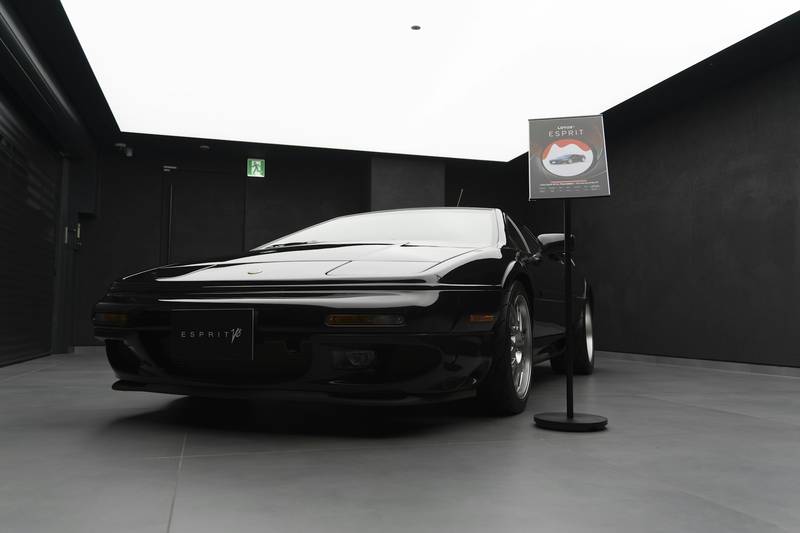
For over half a century, Italdesign has been synonymous with automotive artistry. Founded by the visionary Giorgetto Giugiaro and Aldo Mantovani in 1968, the Turin-based studio has not merely designed cars; it has sculpted dreams and defined eras. Their portfolio reads like a who’s who of automotive legends. Recall the razor-sharp lines of the BMW M1, a mid-engine masterpiece that continues to captivate enthusiasts. Picture the shimmering, stainless-steel body of the DMC DeLorean, forever etched in popular culture by “Back to the Future.” Envision the elegant, wedge-shaped silhouette of the Lotus Esprit, a symbol of performance and style. Beyond these international icons, Italdesign’s influence extends to the very foundations of everyday motoring, having penned the original Volkswagen Golf, the enduringly practical Jetta, and the ubiquitous Passat. The sheer breadth of their design legacy underscores their unparalleled ability to translate diverse automotive briefs into aesthetically compelling and functionally superior vehicles.
The Volkswagen Group’s initial acquisition of a controlling stake in 2010 was a testament to Italdesign’s enduring value and its crucial role in the group’s long-term design strategy. Under VW’s stewardship, Italdesign continued to produce groundbreaking concepts and production-ready designs, reinforcing its reputation as a powerhouse of automotive innovation. However, the automotive industry is not static. The accelerating pace of electrification, autonomous driving, and the pervasive integration of digital technologies demanded a new approach, a synergistic fusion of traditional craftsmanship with the transformative power of artificial intelligence.
This is precisely where UST, the newly appointed majority owner, enters the narrative. A leading force in the U.S. technology sector, UST brings to the table a wealth of expertise in artificial intelligence, data analytics, software development, and advanced engineering solutions. Their vision for Italdesign is not merely to continue its legacy of beautiful car design but to redefine the very process of vehicle creation. The stated ambition is to leverage AI and advanced digital tools to achieve a fully integrated, in-house development process, encompassing everything from initial concept ideation and complex engineering simulations to the meticulous crafting of hardware and software systems.
According to Italdesign CEO Antonio Casu, the strategic imperative behind this acquisition is clear: “We aim to be the first to develop all the requisite hardware and software for a vehicle entirely in-house, powered by the synergy of our design expertise and UST’s advanced AI capabilities.” This is a bold declaration, signifying a paradigm shift from the traditional automotive development cycle, which often involves a complex web of suppliers and specialized firms. By bringing these diverse elements under one roof, Italdesign, under UST’s guidance, seeks to achieve unparalleled speed, agility, and control in bringing new vehicle concepts to fruition. This approach has profound implications for the future of automotive product development, potentially leading to faster innovation cycles, more bespoke vehicle configurations, and a more cohesive final product where design and technology are inextricably intertwined from the outset.
The implications of this acquisition extend far beyond Italdesign’s Turin headquarters. For Audi, the transition signifies a strategic recalibration. While no longer holding direct majority control, Audi’s continued involvement as a strategic partner and client underscores the enduring value of Italdesign’s design acumen and engineering prowess. Audi has historically leveraged Italdesign for concept development and specialized projects, and this new arrangement ensures that this crucial relationship will persist, albeit with a refined dynamic. This partnership is likely to focus on integrating cutting-edge design solutions and potentially exploring advanced autonomous driving concepts and digital cockpit experiences that are rapidly becoming central to the premium automotive market. The synergy between Audi’s commitment to advanced mobility and Italdesign’s creative engine, amplified by UST’s AI capabilities, holds immense potential for future Audi models.
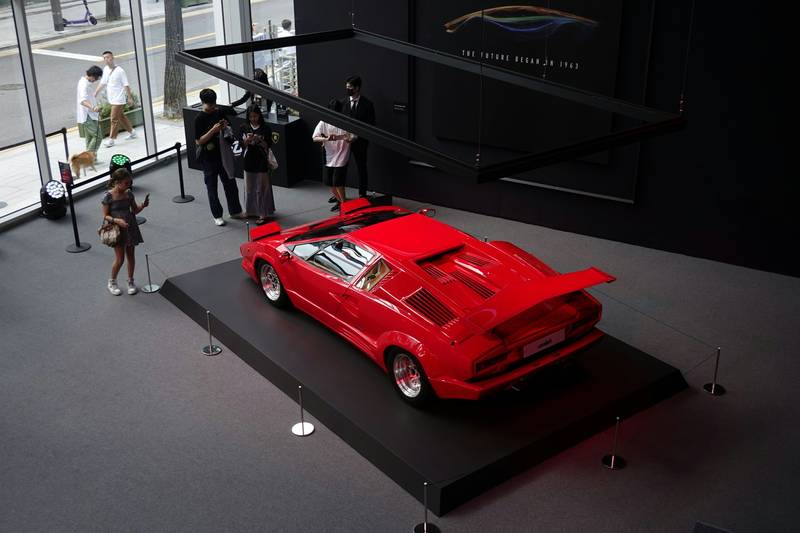
Similarly, the continued albeit minority stake held by the Volkswagen Group through Lamborghini is a strategic maneuver that acknowledges the unique contributions of Italdesign to the broader group’s portfolio. Lamborghini, known for its extreme performance and distinctive styling, has long been a beneficiary of Italdesign’s creative genius. This retained interest suggests that the group envisions continued collaboration on high-performance and design-focused projects that align with Lamborghini’s brand identity. It also highlights a commitment to preserving the rich heritage of Italdesign while embracing its future under new leadership.
The integration of artificial intelligence into the automotive design and development process is no longer a distant prospect; it is a present reality that is rapidly reshaping the industry. AI can analyze vast datasets of consumer preferences, ergonomic studies, and performance metrics to inform design decisions in ways previously unimaginable. It can simulate crash tests with unprecedented accuracy, optimize aerodynamic profiles in real-time, and even generate novel design iterations based on predefined parameters. For a design house like Italdesign, this means moving beyond purely aesthetic considerations to a data-driven approach that prioritizes not only beauty but also functionality, safety, and efficiency at an entirely new level.
Consider the impact on custom car design and bespoke vehicle manufacturing. With AI assisting in every stage, the ability to create truly personalized vehicles, tailored to individual owner specifications and preferences, becomes significantly more feasible. This could revolutionize the luxury automotive market, where exclusivity and personalization are paramount. Imagine a future where a customer can collaborate with an AI-powered design system, guided by Italdesign’s aesthetic principles, to create a unique vehicle that perfectly reflects their lifestyle and desires. This level of customization, once the domain of ultra-high-net-worth individuals and lengthy bespoke commissions, could become more accessible, driving new revenue streams and customer engagement strategies for automotive brands.
The acquisition also positions Italdesign at the forefront of the burgeoning autonomous vehicle design sector. As vehicles transition from human-piloted machines to sophisticated mobility platforms, the interior and exterior design paradigms must shift dramatically. AI can help design interiors that prioritize passenger comfort, connectivity, and productivity, transforming the car cabin into a mobile living space. Furthermore, AI can optimize the external design for improved sensor integration, pedestrian safety, and aerodynamic efficiency in an autonomous context. Italdesign, empowered by UST’s AI expertise, is uniquely positioned to pioneer these new design frontiers. This is particularly relevant for electric vehicle (EV) design trends and the evolving requirements of future mobility solutions.
The automotive AI companies landscape is highly competitive, and UST’s strategic move to acquire Italdesign suggests a sophisticated understanding of the market’s future direction. By merging its AI capabilities with a renowned design house, UST is creating a powerful synergy that can accelerate the development and deployment of intelligent automotive solutions. This acquisition can be seen as a significant play in the broader automotive technology market, aiming to capture a substantial share of the value chain from design to end-product. The focus on developing both hardware and software in-house is a critical differentiator, allowing for a more cohesive and optimized product.
For consumers and industry observers alike, this transition marks an exciting turning point. It signifies a future where the art of automobile design is not diminished but amplified by the intelligence of machines. It speaks to a future where the lines between engineering, design, and artificial intelligence blur, creating vehicles that are not only beautiful and performant but also smarter, safer, and more integrated into our digital lives. The integration of AI in automotive design software and the development of next-generation vehicle platforms will be key areas to watch. This move also has implications for automotive innovation strategy at a global level, potentially inspiring similar consolidations and collaborations in the industry.
The industry is also keenly observing the impact on automotive engineering services and the demand for specialized skill sets. With an in-house approach to hardware and software, Italdesign, under UST, will likely redefine the needs of its workforce, emphasizing professionals skilled in AI development, data science, advanced simulation, and integrated systems engineering, alongside its traditional design talent. This could spur significant growth in sectors like AI-powered design tools and digital twin technology for automotive.
Looking ahead, the partnership between Italdesign and UST represents a bold vision for the future of mobility. It is a testament to the enduring power of Italian design, now augmented by the transformative capabilities of U.S. technological innovation. The days of simply styling a car are evolving into an era where intelligent systems co-create, optimize, and personalize the very essence of a vehicle. This strategic alignment ensures that Italdesign will not just remain a custodian of automotive history but will be a leading architect of its future. The integration of advanced car interior design principles with intelligent cabin systems and the pursuit of sustainable automotive materials innovation will undoubtedly be at the forefront of their endeavors. The potential for developing connected car technologies and smart vehicle architectures is immense.
As the automotive world pivots towards a more connected, intelligent, and personalized future, the strategic acquisition of Italdesign by UST represents a pivotal moment. It signals a commitment to pushing the boundaries of what is possible, blending timeless design principles with the boundless potential of artificial intelligence. For automotive enthusiasts, industry professionals, and technology pioneers alike, this new chapter for Italdesign promises to be one of groundbreaking innovation and a compelling preview of the vehicles that will define the next generation of personal transportation.
The automotive industry is at a crossroads, and bold moves like this are what will shape its future. If you are an automotive brand looking to integrate cutting-edge AI into your design and development processes, or a technology provider seeking to partner with a world-renowned design leader, understanding the implications of this Italdesign-UST partnership is crucial. Explore how this fusion of design heritage and AI innovation can accelerate your own journey toward creating the future of mobility.