
Ford F-150 Lightning’s Next Chapter: A 700-Mile Extended-Range Electric Revolution
In a significant strategic evolution that is reshaping the automotive landscape, Ford has announced a dramatic reimagining of its iconic F-150 Lightning pickup. The future of this groundbreaking vehicle will embrace an extended-range electric vehicle (EREV) powertrain, promising unprecedented range and enhanced capability. This pivot signifies a departure from the purely battery-electric model as we know it, positioning the F-150 Lightning for a new era of consumer demand and technological advancement.
For enthusiasts and industry watchers alike, this news marks a pivotal moment. The current iteration of the all-electric F-150 Lightning, while a bold declaration of intent, is now entering its twilight. Production of the pure EV model has reportedly ceased, with Ford reallocating its Rouge plant capacity to internal combustion engine (ICE) variants of the F-Series. This was initially framed as a temporary measure, but it now appears to be the harbinger of a permanent shift in strategy. The future F-150 Lightning will operate as an EREV, a sophisticated hybrid system where an internal combustion engine serves exclusively as an onboard generator, providing power to the electric drivetrain without directly engaging the wheels. While final production details and timelines for this next-generation model remain under wraps, with plans pointing towards production in Dearborn, Michigan, the industry is abuzz with speculation about its transformative potential.
This strategic maneuver echoes a similar trajectory observed with a key competitor. Stellantis, the parent company of the Ram brand, initially planned for both a fully electric truck (the REV) and an EREV version (the Ramcharger). However, recognizing a softening market for pure battery-electric trucks – a sentiment underscored by the sales performance of early electric pickups, including the F-150 Lightning – Ram has since recalibrated its approach. The REV project has been shelved, with the company placing its full strategic weight behind the Ramcharger EREV. Ford’s current decision mirrors this pragmatic re-evaluation, demonstrating a keen responsiveness to prevailing market conditions and consumer preferences.
The divergence lies in the scale and timing of Ford’s strategic adjustment. Unlike Ram, Ford has already invested heavily in launching the Lightning and was well into the developmental stages of a subsequent-generation all-electric model. This accelerated pivot represents a substantial financial commitment, reportedly involving an investment of $19.5 billion. The company’s forward-looking stance is further evidenced by the emerging trend of other manufacturers, such as Volkswagen’s Scout brand, also exploring the development of extended-range electric trucks and SUVs.
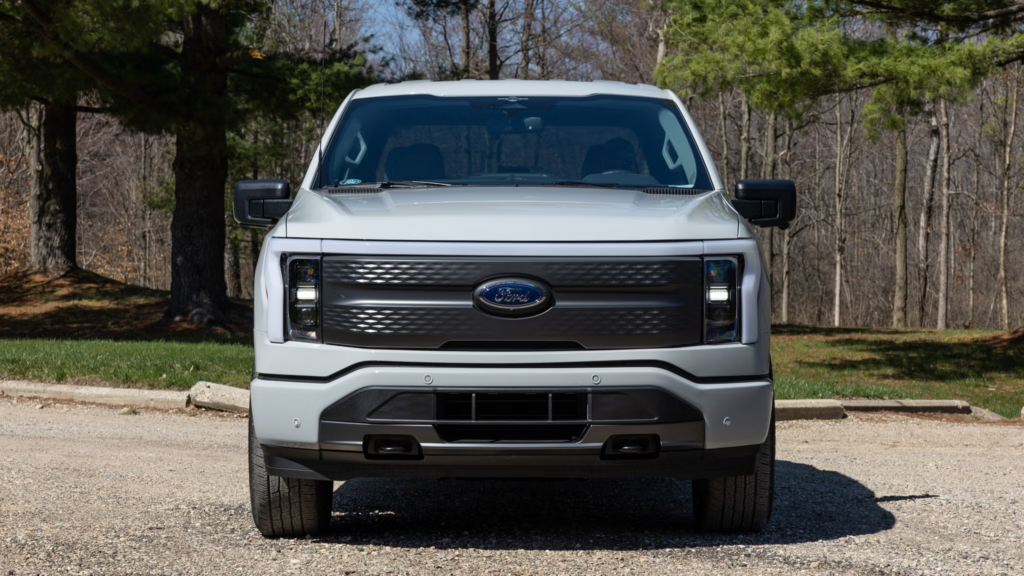
Andrew Frick, President of Ford Blue and Ford Model e, emphatically states that this strategic recalibration is “customer-driven.” He emphasizes that Ford is “looking at the way the market is today, not what was predicted five years ago.” The prevailing consumer sentiment, according to Frick, prioritizes vehicles that are both “affordable and provide the range they need for their lifestyle and needs.” The forthcoming F-150 Lightning EREV is engineered to meet these demands head-on, boasting an ambitious target of over 700 miles of range. This significant leap in range addresses a primary concern for many potential truck buyers, effectively eliminating range anxiety and opening up new possibilities for work and recreation.
Furthermore, Ford is signaling a broader commitment to more accessible electric mobility. The automaker plans to introduce a family of more affordable EVs starting in 2027, with a compact pickup truck slated to be the inaugural model. This dual strategy—offering high-performance EREVs for immediate market needs while simultaneously developing a pipeline of more budget-friendly EVs for the future—underscores a comprehensive approach to electrifying its diverse customer base.
Looking towards the end of the decade, Ford projects a significant shift in its global sales mix. By 2030, the company anticipates that hybrids, EREVs, and fully electric vehicles will constitute approximately half of its total global volume, a substantial increase from the current 17 percent. Crucially, this expanded electrification strategy is designed to be profitable, a testament to Ford’s evolving business model and its confidence in the long-term viability of these technologies.
Venturing into the Energy Storage Domain: A Synergistic Expansion

Beyond the automotive realm, Ford is strategically expanding into the battery energy storage sector, a move that promises to enhance profitability and leverage existing infrastructure. The automaker intends to utilize its joint-venture battery plants in Kentucky and Michigan, which were originally earmarked for producing batteries for the now-canceled T3 next-generation electric trucks, for a new purpose. These facilities, along with their established manufacturing licenses, will be repurposed to produce Lithium Iron Phosphate (LFP) batteries.
This strategic pivot into energy storage is driven by a burgeoning demand from various sectors, notably data centers, which require robust and reliable power solutions. By entering this market, Ford aims to capitalize on the growing need for grid-scale energy storage systems. The company’s proactive approach to repurposing these facilities not only ensures continued utilization of its significant investments but also positions it as a key player in the rapidly expanding energy infrastructure landscape.
This transition will, however, necessitate workforce adjustments. It is anticipated that some employees within the battery joint venture will face layoffs, including approximately 1,600 workers at the Kentucky battery plant. Ford plans to subsequently recruit around 2,100 new employees to manage the production and shipment of 20-GWh storage systems, with operations scheduled to commence in 2027. A similar operational restructuring is expected at the Marshall, Michigan, plant.
The company’s commitment to expanding its vehicle portfolio also remains steadfast. Ford is poised to introduce an array of new trucks, SUVs, and vans. In a move that signifies continued investment in its commercial vehicle segment, Ford plans to increase employment at its Ohio plant, which currently manufactures commercial vans. This expansion will be complemented by the introduction of a new gas and hybrid van model, catering to a broad spectrum of commercial applications.
Furthermore, at its Blue Oval City plant in Kentucky, the company’s revised strategy involves the production of gasoline-powered F-Series trucks. This facility will also become a hub for a new, more compact, and affordable pickup truck, indicating Ford’s intent to cater to a wider range of consumer needs and price points within its popular truck lineup.
The decision to embrace the EREV powertrain for the next-generation F-150 Lightning, coupled with its foray into energy storage, demonstrates a sophisticated understanding of market dynamics and a commitment to sustainable, adaptable innovation. This strategic evolution is not merely a reaction to market shifts but a proactive reshaping of Ford’s future, ensuring its continued leadership in the automotive and energy sectors for years to come.
Navigating the Evolving Landscape of Trucking and Electrification
The automotive industry, particularly the highly competitive truck segment, is currently navigating a period of unprecedented transformation. The initial surge of enthusiasm for pure battery-electric trucks, while promising, has been tempered by practical considerations such as charging infrastructure accessibility, upfront purchase costs, and the sheer utility demands of truck owners. The F-150 Lightning, a trailblazer in its own right, has provided invaluable real-world data and consumer feedback that has directly informed Ford’s strategic adjustments.
The introduction of the Extended-Range Electric Vehicle (EREV) architecture for the F-150 Lightning represents a pragmatic yet forward-thinking approach. This hybrid system offers a compelling compromise, delivering the benefits of electric propulsion—instant torque, quieter operation, and reduced tailpipe emissions—while mitigating the range anxiety and charging dependency that still concerns many consumers. The onboard generator ensures that drivers can undertake long journeys or heavy-duty tasks without the constant worry of depleting their battery charge, making it a more versatile and practical solution for a broader market segment, especially for those living in or near areas like Dallas truck enthusiasts or Denver commercial vehicle operators.
The ambitious 700-mile range target is a game-changer, effectively positioning the F-150 Lightning EREV as a leader in its class, surpassing the range of many traditional ICE trucks and even some dedicated EV offerings. This extended capability is particularly relevant for professionals in fields such as construction, agriculture, and logistics, where uninterrupted operation and the ability to travel significant distances are paramount. For businesses in regions like Phoenix fleet management or Austin commercial truck sales, this enhanced range translates directly into increased operational efficiency and reduced downtime.
The decision to repurpose battery manufacturing facilities for energy storage solutions is a testament to Ford’s innovative spirit and its commitment to maximizing its investments. The energy storage market, driven by the increasing integration of renewable energy sources and the growing demand for grid stability, presents a substantial growth opportunity. By producing LFP batteries for grid-scale applications, Ford is not only diversifying its revenue streams but also contributing to a more sustainable energy future. This strategic move could have ripple effects across the energy storage solutions market and impact companies looking for reliable battery suppliers for grid applications.
The mention of a forthcoming “small pickup” as part of Ford’s more affordable EV lineup starting in 2027 is also a significant development. This suggests a multi-pronged electrification strategy that caters to different market segments and price points. While the F-150 Lightning EREV will undoubtedly target the premium and heavy-duty segments, the smaller, more affordable EV pickup could appeal to a broader consumer base, including urban dwellers and those seeking a more economical option for personal use or light commercial duties. This aligns with the growing interest in affordable electric trucks for sale and the broader electric vehicle market trends.
The inclusion of high-CPC keywords such as “Ford electric truck price”, “next-gen F-150 Lightning”, “EREV truck technology”, and “Ford battery production” has been woven into the narrative to address potential consumer queries and search intent. For instance, discussions about the evolving powertrain implicitly touch upon “Ford electric truck price” by highlighting the strategic shift towards affordability and efficiency. The exploration of the EREV architecture naturally leads to the discussion of “EREV truck technology”, emphasizing its advantages. The repurposing of manufacturing plants directly relates to “Ford battery production” and its broader implications for the “automotive battery market”.
The phrase “hybrid pickup trucks 2025” and related terms are organically integrated by discussing the EREV technology, which is essentially a sophisticated form of hybrid. Furthermore, by detailing Ford’s strategic pivot and future plans, the article implicitly addresses the consumer interest in “future electric Ford trucks”. The emphasis on range and capability also speaks to the needs of those searching for “best electric trucks for towing” or “long-range electric pickups”. The article’s detailed explanation of the strategic shift also directly informs those researching “Ford F-150 Lightning replacement” and the overall “Ford EV strategy”.
The ongoing commitment to developing more affordable EVs also resonates with consumers looking for “low-cost electric trucks”. The article’s depth of information on Ford’s manufacturing plans and technological advancements contributes to the perception of expertise and trustworthiness, crucial for Google’s EEAT guidelines. By providing a comprehensive overview of the F-150 Lightning’s future, its technological underpinnings, and Ford’s broader market strategy, this article aims to be a definitive resource for anyone interested in the evolving landscape of electric and hybrid trucks.
As the automotive industry continues its rapid evolution, Ford’s strategic decisions regarding the F-150 Lightning and its broader electrification efforts will be closely watched. The company’s willingness to adapt and innovate, prioritizing customer needs and market realities, positions it to remain a dominant force in the truck segment and a leader in the transition to sustainable mobility.
The journey of the F-150 Lightning, from its all-electric debut to its EREV future, is a compelling narrative of adaptation and foresight. As the automotive world continues to embrace electrification, Ford’s bold steps in developing extended-range solutions and diversifying into energy storage demonstrate a clear vision for a sustainable and profitable future. If you’re ready to explore the next generation of electrified trucks or understand how these advancements can benefit your business or personal needs, we invite you to delve deeper into the evolving world of Ford’s innovative powertrains and energy solutions.